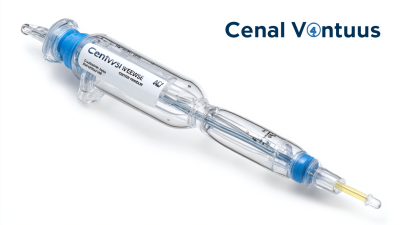
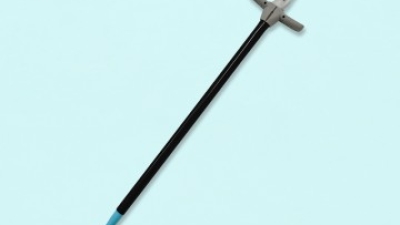
In today’s ever-changing world of healthcare, you really can’t overstate how important quality medical devicesare. Take the Introducer Kit, for example— it’s a vital tool that medical folks rely on, especially during vascular procedures. I was reading a recent report fromGlobal Market Insights, and it turns out the market for Introducer Sheaths is expected to hit over$1 billion by 2026. That’s mostly because more people are looking for minimally invasive surgeries, which lead to better outcomes for patients.
At Tianck Medical Co., Ltd., we’re passionate about meeting these growing demands with our carefully designed products. Our Introducer Kits are made to make procedures smoother and safer for both patients and doctors alike. We really care about pushing healthcare forward and making sure patients get the best possible care.
Understanding the Purpose and Importance of an Introducer Kit
An introducer kit is honestly a pretty game-changer for folks just starting out, especially in tricky fields like healthcare or engineering. You know, understanding what it’s for really matters — these kits usually come packed with essential stuff like guides, tools, and step-by-step instructions that help newcomers get the hang of things faster. I read somewhere that, according to the American Association of Medical Assistants, about 60% of newbies felt more confident in their roles after using these kits. That totally shows how important they are for building skills and trust right from the start of a professional journey.
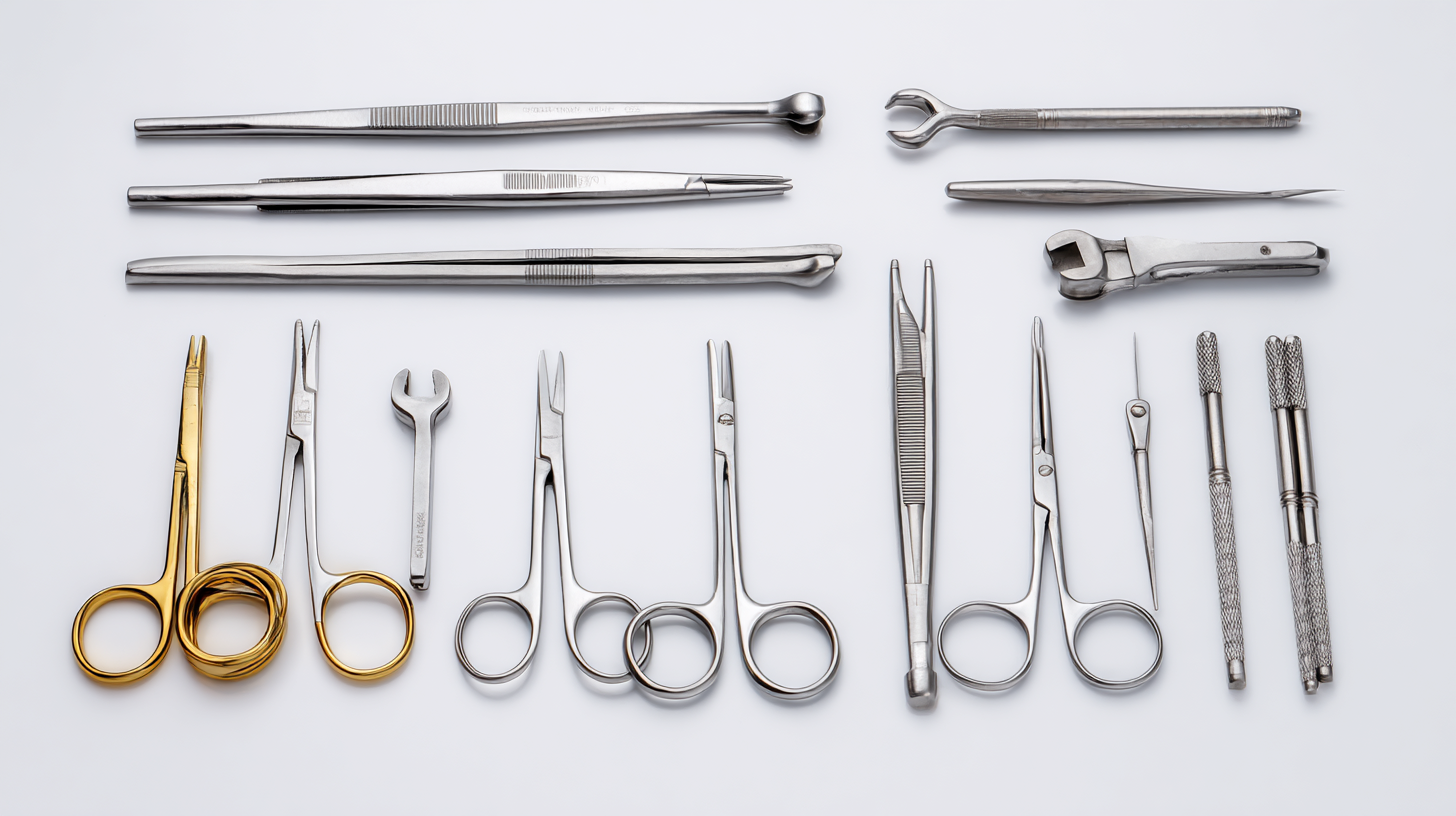
But these kits are more than just training guides—they’re also about safety and doing things right. Especially in healthcare, where every move counts, these kits often include practice models or simulation tools that mimic real-life situations, without any of the risk. There was this study in the Journal of Engineering Education showing that around 75% of students who used starter kits improved their technical skills. Honestly, hands-on experience like that really makes a difference when it comes to learning. So, in a way, an introducer kit isn’t just a bunch of tools — it’s like the foundation that helps beginners build the skills they need to really succeed in their fields.
Essential Components of a Beginner's Introducer Kit
The introducer kit is such a handy resource, especially if you're just starting out in fields like medical work or any technical area. Usually, these kits come with different sizes of introducer sheaths and dilators — these are the tools that help you access and keep open vascular or procedural pathways. They're designed to be user-friendly, with ergonomic handles and sleek designs that make everything feel more precise and less of a hassle.
On top of that, you'll typically find guides or wires in the kit as well. These help you steer through different anatomical structures, with options that range from very flexible to stiffer, depending on what kind of procedure you're tackling. Some kits also include essentials like syringes, connectors, and antiseptic wipes, so you can keep everything sterile and ready to go.
When beginners are equipped with these basic tools, it really helps build their confidence and skills. The introducer kit basically sets a solid foundation for learning and gaining practical know-how in a safe, efficient way.
Step-by-Step Guide to Assembling Your Introducer Kit
Putting together an introducer kit is usually pretty straightforward if you follow a simple step-by-step guide. Start off by taking a good look at all the parts included—things like the introducer sheaths, catheters, and dilators. Spread everything out in an organized way; it really helps to see everything clearly and makes the whole assembly smoother. It’s also super important to understand what each piece does. For example, the introducer sheath acts as a kind of tunnel for other devices to pass through, while the dilator is used to navigate tricky anatomical areas.
At Tianck Medical Co., Ltd., we're all about creating precision-engineered products that meet the changing needs of healthcare workers and their patients. Our introducer kits are built with user-friendliness in mind, making medical procedures easier and more efficient. We use high-quality materials and innovative designs so that every part of the kit works together seamlessly—because when things line up just right, patient outcomes tend to improve. Whether you’re just starting out or need a quick refresher, our easy-to-follow guide will not only help you assemble your introducer kit but also give you the confidence to use it effectively in real-world situations.
Assembling Your Introducer Kit: Step-by-Step Progress
Tips for Using Your Introducer Kit Effectively
When you're using your introducer kit for the very first time, it’s really helpful to get familiar with all its parts and what they do. Start by taking a good look at the instruction manual—try to identify each piece and understand its purpose. That basic knowledge can make setting everything up much smoother and help you avoid silly mistakes. And don’t forget to pay close attention to any safety tips listed; following these can make your experience safer and more successful overall.
Getting comfortable with your kit really comes down to practice. So, set aside some time to run through a few trial runs—don’t rush it. The more you practice, the easier each step will feel. If you're ever stuck, don’t hesitate to reach out to folks who’ve been doing this longer or check out online groups—they can be a ton of help. Oh, and a little tip: keep a journal of your experience. Jot down what works and what doesn’t—trust me, this kind of record will be super useful down the line and help you learn faster.
Common Mistakes to Avoid with Your Introducer Kit
Getting into the world of intro kits, especially if you're new to vaping, can feel a bit overwhelming at first. It’s really common to stumble or make mistakes early on, so knowing what to watch out for can make things way smoother. According to a report from the Smoke-Free Alternatives Trade Association, around 70% of newbies tend to misuse their kits within the first few weeks. A lot of this comes down to miscommunication or not fully understanding how the components work — like how to assemble the device properly or handle the liquid. For example, many newcomers forget to prime their coils before vaping, which leads to dry hits and just a generally unpleasant experience. That kind of thing not only messes with the flavor but can also shorten the life of your device overall.
Another common mistake? Overfilling the tanks. It might seem harmless, but it can cause leaks and turn into a real mess. Experts suggest keeping an eye on your e-liquid levels and refilling when the tank is about a quarter full. Plus, a lot of beginners overlook how important it is to do regular maintenance. A study from the Journal of Vaping Research showed that folks who keep their kits clean and maintained tend to be way happier with their vaping. Nearly 85% of those people said they experienced better performance just by sticking to a routine. So, knowing these typical pitfalls and making a conscious effort to avoid them can really boost your vaping experience and make it much more enjoyable from the start.
Unlocking the Essentials: A Comprehensive Guide to the Introducer Kit for Beginners - Common Mistakes to Avoid with Your Introducer Kit
| Mistake | Description | Impact | Solution |
| Using Incorrect Tools | Many beginners try to use tools that are not compatible with the introducer kit. | Can lead to damage or inconsistent results. | Always check compatibility of tools with the kit. |
| Skipping the Manual | Ignoring the instruction manual can cause confusion during setup. | Increases the likelihood of improper use. | Read the manual thoroughly before starting. |
| Neglecting Maintenance | Failing to maintain the introducer kit can lead to malfunction. | Reduced performance and shortened lifespan of the kit. | Follow a regular maintenance schedule. |
| Ignoring Safety Guidelines | Neglecting safety instructions can lead to accidents while using the kit. | Potential injury or damage to materials. | Always follow the provided safety guidelines. |
| Rushing the Process | Trying to complete tasks too quickly can lead to mistakes. | Increases errors and quality issues. | Take your time and pay attention to details. |
Resources for Further Learning and Experimentation
Getting started with experimentation and learning definitely needs a good foundation, and the Introducer Kit is actually a pretty great way to kick things off. To really sharpen your skills and understand things better, there are tons of resources out there. Websites like Instructables or Codecademy, for example, are awesome for hands-on projects that walk beginners through all sorts of techniques and concepts related to what’s in your kit. Playing around on these platforms can massively boost your confidence — it’s like learning by doing, which really helps you get a feel for applying your new skills in real life.
Outside of online tutorials, don’t forget about books and e-books that focus on specific areas you’re into. There are plenty of authors and teachers who write guides on stuff like electronics and programming, especially for beginners. These books often have exercises and projects that are pretty similar to what you’ll find in your Introducer Kit, so they’re great for reinforcing what you’re learning. And hey, another fun idea is to join community forums or find local DIY groups. Sharing experiences, tips, and ideas with others who are into the same kinda stuff can be super motivating and helpful — it’s a friendly environment where you can learn, ask questions, and get inspired to keep experimenting.
Enhancing Medical Procedures: The Impact of Tear Away Introducer Sheath on Patient Outcomes and Efficiency in Cardiac Interventions
The integration of Tear-Away Introducer Sheaths into cardiac interventions marks a significant advancement in medical procedures, enhancing both patient outcomes and procedural efficiency. This peelable Vascular Access device is specifically designed to facilitate the smooth insertion of catheters, wires, and other essential medical instruments into blood vessels. By minimizing trauma during the insertion process, healthcare professionals can concentrate on the critical aspects of treatment without the worry of causing additional complications to the patient.
Once the catheter is securely positioned, the innovative design of the Tear-Away Sheath allows for an efficient split and removal, ensuring that the catheter remains in place while the sheath is withdrawn. This not only streamlines the overall procedure but also enhances the ergonomics for the medical staff involved. As a result, the risk of infection and damage to the surrounding tissue is significantly reduced, leading to improved recovery times and better overall patient experiences in cardiac interventions. The use of this technology underscores the ongoing efforts to refine techniques and technology in the pursuit of better healthcare outcomes.
FAQS
: An introducer kit is used in medical procedures, primarily to provide a conduit for other devices through the introducer sheath and to navigate anatomical structures with the help of dilators.
Lay out all components, such as introducer sheaths, catheters, and dilators, in an organized manner to facilitate a clear assembly pathway and enhance understanding of each component’s purpose.
Beginners should avoid miscommunications regarding components, neglecting to prime coils, overfilling tanks, and skipping routine maintenance, which can lead to poor performance and unpleasant experiences.
Regular maintenance is crucial for optimal performance. Engaging in routine cleaning and upkeep can significantly improve satisfaction rates and enhance the overall vaping experience.
Numerous resources include websites like Instructables or Codecademy for hands-on tutorials, textbooks on related topics, and community forums or clubs for sharing experiences and tips.
It is recommended to refill the tank when it is approximately one-quarter full to prevent overfilling and leaks.
High-quality materials enhance the usability and efficiency of the introducer kit, ensuring that all components work seamlessly together, ultimately improving patient outcomes.
Yes, beginners can successfully use an introducer kit by following comprehensive guides and utilizing available resources that build their understanding and skills.
If issues arise during assembly, review the guide carefully, ensure each component is correctly understood, and consider seeking help from online forums or experienced users.
Yes, joining community forums or local clubs focused on DIY projects can provide support, inspiration, and shared resources among enthusiasts.
Conclusion
Hey, have you seen the article called "Unlocking the Essentials: A Guide for Beginners on the Introducer Kit"? It offers a pretty solid overview of what the Introducer Kit is all about, especially highlighting how important it is during medical procedures. The piece kicks off by explaining why the Introducer Kit matters — it’s really about making patient care better by helping healthcare folks perform safer, more effective interventions. It also dives into the key parts you'll need if you're just starting out, so new med pros can feel confident and well-prepared.
On top of that, they walk you through how to put together your kit step-by-step, sharing some handy tips for using it in different situations. They don’t leave you hanging either — it points out common mistakes to steer clear of, which can really help newbies get the hang of things faster. And to top it all off, the article wraps up with some useful resources for learning more and practicing your skills, encouraging continuous growth. Oh, and by the way, Tianck Medical CO., Ltd. backs this up with top-notch products designed to keep up with the changing needs of healthcare — quality you can trust.
All in all, it’s a great read if you’re looking to get a solid grasp on the Introducer Kit and boost your confidence in using it.